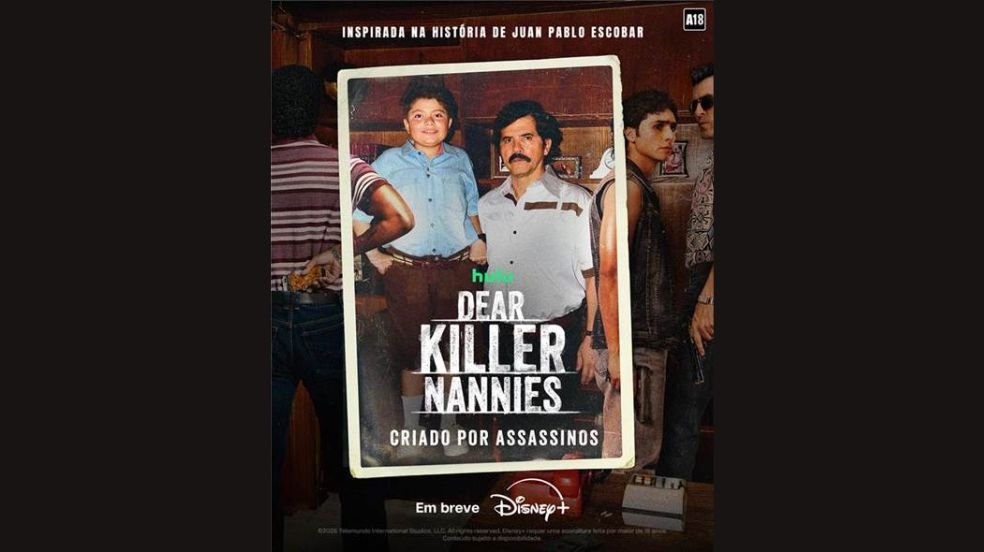
You’re scrolling through social media and see it: “Dear killer nannies, please apply within.” It’s not a job posting. It’s not a crime confession. It’s a meme—sharp, dark, and spreading like wildfire.
The phrase dear killer nannies has exploded across TikTok, Twitter, and parenting forums, straddling the line between joke and cry for help. On the surface, it reads like gallows humor. Dig deeper, and it reveals a generation of overwhelmed parents using irony to cope with the impossible expectations of modern child-rearing.
This isn’t just about nannies. It’s about exhaustion, societal pressure, and the dark comedy of parenting in an age where perfection is demanded but support is scarce.
The Rise of the “Killer Nanny” Meme
“Dear killer nannies” emerged as a satirical job listing. Mock ads flooded platforms, requesting caregivers who would “discipline with silence,” “ignore tantrums like a seasoned war veteran,” or “make bedtime a non-negotiable 7:03 PM.” The humor is brutal, exaggerated—nannies who don’t coddle, negotiate, or apologize.
But why killer?
It’s not literal. It’s hyperbolic. The word taps into a fantasy: someone so competent, so unbothered, they could handle your child like a special ops operative. A caregiver who won’t flinch at a meltdown, won’t second-guess screen time, and won’t judge your frozen pizza dinner.
The meme gained traction because it resonates. Parents—especially millennial and Gen Z moms and dads—are burnt out. They’re drowning in advice, judgment, and the myth of “having it all.” The “killer nanny” isn’t a monster. She’s a symbol of relief.
Why Parents Are Cracking the Joke
Parenting today is performative. Instagram feeds show organic smoothie bowls, Montessori-inspired playrooms, and children reading Shakespeare at age four. The reality? Most parents are surviving on coffee, guilt, and YouTube babysitting.
The “dear killer nannies” trend is a rebellion against that performance. It’s parents admitting: - “I can’t do this alone.” - “I’m tired of being nice.” - “I need someone who won’t care if my kid screams.”
One viral post read: > Dear killer nannies, if you can get my 4-year-old to eat anything that isn’t plain pasta, I will pay you in cash, compliments, and never asking how you ‘got him to listen.’
It’s funny because it’s true. The fantasy isn’t violence—it’s control. Competence. Peace.
The Dark Side of the Humor
Not everyone finds it funny. Critics argue the phrase normalizes neglect or abuse. “Killer” is a strong word. In a climate where child welfare is already under strain, joking about violent caregivers can desensitize or trivialize real issues.
There’s a fine line between satire and harm. When memes go too far—like suggesting nannies “lock the kid in the closet for 20 minutes of quiet”—they cross from relatable stress relief into dangerous territory.
Social media amplifies extremes. A joke from an exhausted parent can be screenshotted, stripped of context, and labeled as evidence of toxic parenting. The backlash is real. Some parents have faced online harassment for posting “killer nanny” memes, accused of endorsing abuse.
The key? Intent vs. perception. Most users aren’t advocating harm. They’re screaming into the void. But tone doesn’t translate online. What’s cathartic in a mom group can look alarming to outsiders.
Real Nannies Respond: A Behind-the-Scenes Look
We spoke with three professional nannies to understand how they view the trend.
Lena M., NYC-based nanny with 12 years’ experience: > “I’ve seen the memes. Honestly? A little disturbing. I take my job seriously. Kids need love, not ‘killers.’ But I get it—parents are overwhelmed. They want someone who can handle the chaos. Just… maybe don’t call it that.”
Jamal T., male nanny in Austin: > “It’s humor, but it also shows how undervalued childcare work is. People joke about ‘killers’ because they think real strategies—consistency, boundaries, routine—feel extreme. They’re not. They’re just rare.”
Sophia R., au pair from Germany working in California: > “In my country, nannies are trained, respected. This joke makes the job look like a punchline. But I’ve had parents say, ‘Can you be a little more… killer?’ Like I should ignore emotional needs. That’s not care. That’s neglect.”
The consensus? Parents are desperate for help. But framing competence as cruelty misses the point of quality childcare.
From Meme to Movement: What Parents Actually Need
The “killer nanny” fantasy exposes a deeper crisis: - Lack of affordable childcare - Isolation in parenting - Unrealistic expectations of constant engagement
Instead of joking about “killers,” families need:
1. Support, Not Sarcasm Parenting is harder when done in isolation. Community groups, co-ops, and shared babysitting networks offer real relief—without the dark humor.
2. Boundaries That Work The “killer” ideal often reflects effective discipline: clear rules, consistency, emotional regulation. These aren’t violent. They’re foundational.

Example: A toddler throws a fit at bedtime. A “killer” might ignore it. A skilled caregiver might say: > “I see you’re upset. It’s time for sleep. I’m here, but we’re not negotiating.” Same outcome. Different tone.
3. Access to Quality Care
Most families can’t afford a full-time nanny. The joke highlights a gap: when support is scarce, fantasy fills the void.
Policy change—subsidized childcare, paid parental leave, workplace flexibility—would do more than memes ever could.
When the Joke Stops Being Funny
Humor is a coping mechanism. But when it becomes the default, it signals distress.
Watch for these red flags in parenting communities: - Jokes about harming children (even “playfully”) - Glorification of neglect (“I left mine in the car for 20 minutes and wow, silence”) - Shame around normal struggles
These aren’t just edgy takes. They’re cries for help.
If you’re laughing at “dear killer nannies” because you feel like you’re failing, you’re not alone. But the solution isn’t a mythical enforcer. It’s permission to be human.
Seek therapy. Join a support group. Talk to your partner. You don’t need a killer nanny. You need a village.
Turning the Meme Into Meaning
The “dear killer nannies” trend won’t last forever. Memes fade. But the issues it highlights won’t.
Use the humor as a starting point—not an endpoint.
Next time you see the phrase, ask: - What need is this expressing? - What support is missing? - How can we turn satire into solutions?
Because behind every joke about a “killer nanny” is a parent who just wants to breathe.
They don’t need a villain. They need validation, resources, and a little grace.
Practical Steps for Overwhelmed Parents
If the “killer nanny” fantasy speaks to you, here’s how to act on the feeling—without the irony:
- Audit Your Support System
- - List everyone who helps (partner, family, friends).
- - Identify gaps. Can someone take one evening a week?
- Set One Non-Negotiable Boundary
- - Example: No screens before 7 PM. Or: 30 minutes of solo time after dinner.
- - Enforce it calmly, consistently. That’s not “killing”—it’s leading.
- Seek Professional Help if Needed
- - Parenting coaches, therapists, or pediatric behavioral specialists can offer real strategies—no jokes required.
- Join a Real Community
- - Online groups like r/Parenting or local meetups reduce isolation.
- - Bonus: You’ll find others who “get it”—without the edge.
- Laugh, But Don’t Stay There
- - Humor helps. Action heals.
The phrase “dear killer nannies” will fade. But the exhaustion it represents won’t. Address the root cause: a culture that demands superhuman parenting without superhuman support.
Stop wishing for a killer. Start building a life where you don’t need one.
FAQ
What should you look for in Dear Killer Nannies: The Truth Behind the Trend? Focus on relevance, practical value, and how well the solution matches real user intent.
Is Dear Killer Nannies: The Truth Behind the Trend suitable for beginners? That depends on the workflow, but a clear step-by-step approach usually makes it easier to start.
How do you compare options around Dear Killer Nannies: The Truth Behind the Trend? Compare features, trust signals, limitations, pricing, and ease of implementation.
What mistakes should you avoid? Avoid generic choices, weak validation, and decisions based only on marketing claims.
What is the next best step? Shortlist the most relevant options, validate them quickly, and refine from real-world results.