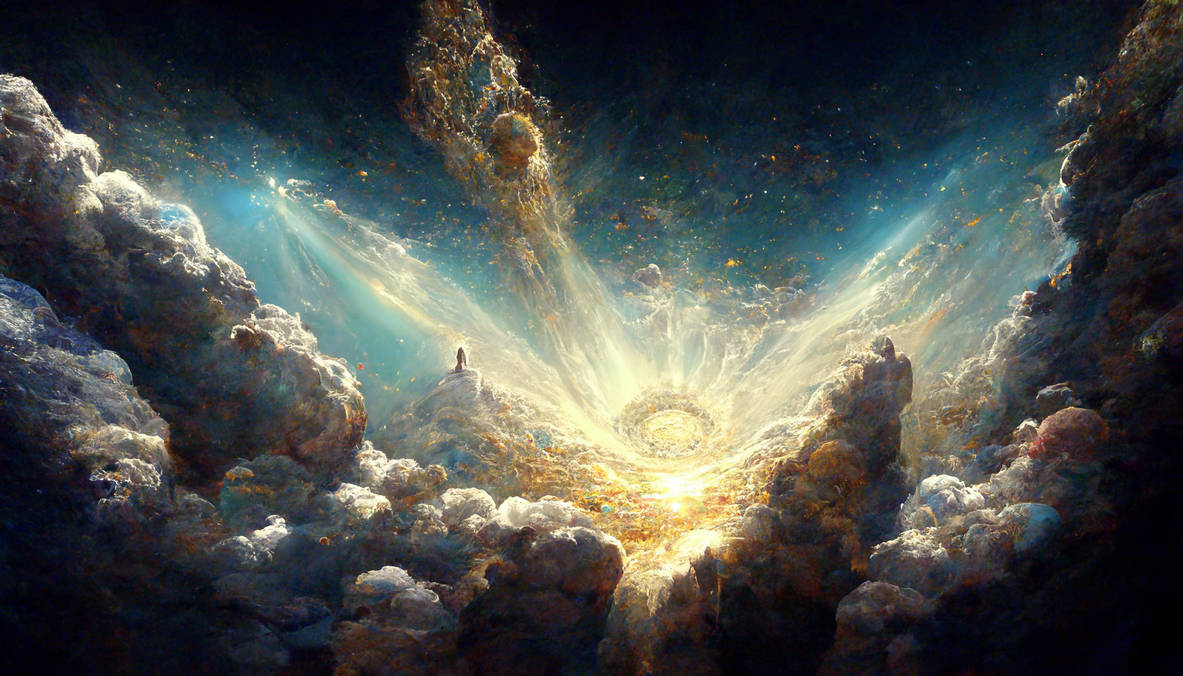
Choosing the right approach to capturing the heavens: images of celestial wonder starts with clear context, practical filters, and realistic expectations.
Introduction to the Heavens
The night sky has long been a source of fascination for humans, with its twinkling stars, glowing galaxies, and majestic planets. For centuries, astronomers and stargazers have sought to capture the beauty of the heavens through various forms of art and media. Today, with the advent of advanced telescopes and digital cameras, we can explore the universe in unprecedented detail and clarity.
The Beauty of Galaxies Galaxies are massive, gravitationally bound systems consisting of stars, stellar remnants, interstellar gas, dust, and dark matter. They come in a variety of shapes and sizes, from
the majestic spiral arms of the Milky Way to the eerie glow of distant elliptical galaxies. Images of galaxies offer a glimpse into the vastness and diversity of the universe, with each one telling a unique story of formation, evolution, and interaction.
Types of Galaxies
There are several
types of galaxies, each with its own distinct characteristics. Spiral galaxies, like the Milky Way, are characterized by their spiral arms and central bulge. Elliptical galaxies, on the other hand, are more rounded and lack spiral arms. Irregular galaxies are chaotic and lack a distinct shape, while active galaxies are incredibly luminous and thought to be powered by supermassive black holes.
The Wonder of Stars Stars are

the building blocks of galaxies, and their images offer a glimpse into the life cycles of these celestial bodies. From the bright, shimmering light of young, blue stars to the faint, reddish glow of old, dying stars, each one tells a unique story of formation, evolution, and eventual death. Images of stars also reveal the intricate dance of binary and multiple star systems, where gravity and motion govern the behavior of these celestial bodies.
Stellar Life Cycles The life cycle of a star is a complex and fascinating process.
It begins with the collapse of a giant molecular cloud, which gives rise to a protostar. As the protostar collapses, it begins to spin faster and faster, eventually forming a main-sequence star. Over time, the star will exhaust its fuel and expand into a red giant, before eventually shedding its outer layers and leaving behind a white dwarf or neutron star.
The Majesty of Planets Planets are
the celestial bodies that orbit stars, and their images offer a glimpse into the diversity of planetary formation and evolution. From the rocky, barren landscapes of Mars to the gas giants of Jupiter and Saturn, each planet tells a unique story of geological and atmospheric processes. Images of planets also reveal the intricate dance of moons and rings, where gravity and motion govern the behavior of these celestial bodies.
Planetary Formation The formation of planets is a complex and poorly understood process.
It is thought to occur through the accretion of dust and gas in the protoplanetary disk surrounding a young star. Over time, the material in the disk collides and merges, eventually forming larger and larger bodies. These bodies, known as planetesimals, can eventually grow into full-fledged planets through a process known as runaway growth.
Celestial Events: A Glimpse into the Universe
Celestial events, such as solar eclipses, lunar eclipses, and planetary alignments, offer a glimpse into the dynamic and ever-changing universe. These events are often rare and fleeting, making them all the more special and awe-inspiring. Images of celestial events capture the beauty and wonder of these moments, allowing us to appreciate the complexity and majesty of the universe.
Types of Celestial Events
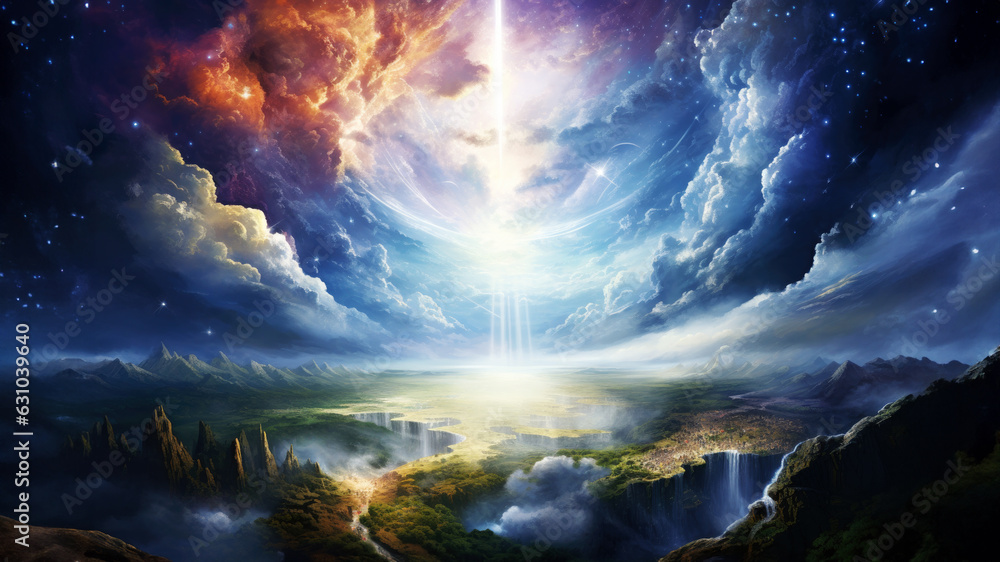
There are several types of celestial events, each with its own unique characteristics. Solar eclipses occur when the Moon passes between the Earth and the Sun, casting a shadow on the Earth's surface. Lunar eclipses, on the other hand, occur when the Earth passes between the Sun and the Moon, casting a shadow on the Moon's surface. Planetary alignments occur when multiple planets appear in the same region of the sky, often forming interesting patterns and shapes.
Tools for Capturing Images of the Heavens
There are several tools and software available for capturing images of the heavens, including:
- Adobe Photoshop: a powerful image editing software for enhancing and manipulating images
- StarStax: a free software for stacking and processing astrophotography images
- AutoStakkert: a software for aligning and stacking images of the Sun, Moon, and planets
- PixInsight: a software for processing and analyzing astrophotography images
- SkySafari: a planetarium software for simulating the night sky and planning astrophotography sessions
Practical Tips for Capturing Images of the Heavens Capturing images of the heavens requires patience, practice, and attention to detail. Here are some
practical tips for getting started:
- Use a tripod to stabilize your camera and prevent blur
- Shoot in RAW format to capture more image data and flexibility
- Use a remote shutter release or timer to minimize camera shake
- Experiment with different exposure times and settings to capture the desired effect
- Use image editing software to enhance and manipulate your images
Conclusion
Images of the heavens offer a glimpse into the beauty and wonder of the universe, from the majestic spiral arms of galaxies to the intricate dance of planets and moons.
Whether you're a seasoned astronomer or just starting to explore the night sky, there's always something new and exciting to discover. By using the right tools and techniques, you can capture stunning images of the heavens and appreciate the complexity and majesty of the universe.