Choosing the right approach to discovering the heavenly city of god starts with clear context, practical filters, and realistic expectations.
Introduction to the Heavenly
City of God The concept of the heavenly city of God is a profound and intriguing topic that has captivated the imagination of people across various cultures and faiths. It is a notion that transcends the physical realm, speaking to the deepest longings of the human spirit for a place of eternal peace, joy, and communion with the divine. In the context of Christianity, the heavenly city of God is often associated with the New Jerusalem, a place described in the Bible as the ultimate destination for believers.
Biblical Foundations of the Heavenly City The
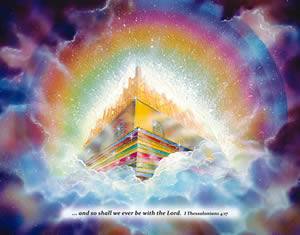
biblical narrative provides a rich foundation for understanding the heavenly city of God. In the book of Revelation, the New Jerusalem is described as a city coming down from heaven, prepared by God as a bride adorned for her husband. This city is not just a physical location but a symbol of God's presence and glory among his people. The biblical description of the heavenly city emphasizes its beauty, with streets of gold, gates of pearl, and a river of life flowing through it. It is a place where there is no more suffering, pain, or death, and where God dwells among his people.
The Significance of the New Jerusalem The New Jerusalem represents
the culmination of God's plan of redemption for humanity. It is the place where believers will spend eternity with God, free from the constraints and sufferings of the present world. The significance of the New Jerusalem lies in its representation of the ultimate hope of Christianity: the hope of eternal life in the presence of God. This hope is not merely a distant dream but a living reality that shapes the present, guiding believers in their journey of faith and obedience.

The Heavenly City in Christian Theology Christian theology has extensively explored
the concept of the heavenly city, interpreting its meaning and significance in various ways. Some theologians view the heavenly city as a future reality, a place that believers will enter after death or at the time of the final judgment. Others see it as a present reality, a spiritual dimension that intersects with the physical world, where believers can experience the presence and power of God. Regardless of the interpretation, the heavenly city remains a central theme in Christian theology, symbolizing the ultimate destination and purpose of human existence.
Practical Implications of the Heavenly City The concept of the heavenly city has profound
practical implications for believers. It inspires hope and motivation, encouraging believers to live their lives with purpose and direction. The knowledge of an eternal home with God helps believers to persevere through challenges and hardships, knowing that their present sufferings are temporary and will be eclipsed by the joys of eternity. Moreover, the heavenly city serves as a model for Christian community and ethics, guiding believers in their relationships and interactions with one another and with the world around them.
Living in Light of the Heavenly City
Living in light of the heavenly city involves embracing a set of values and practices that reflect the character of God and the ethos of the heavenly city. It means cultivating a deep sense of community and love among believers, caring for the poor and the marginalized, and standing for justice and righteousness in the world. Believers are called to be ambassadors of the heavenly city, representing God's love and truth in their daily lives and interactions.
Challenges and Criticisms The concept of the heavenly city is not without its

challenges and criticisms. Some critics argue that the focus on a heavenly city can lead to a neglect of earthly responsibilities and a lack of engagement with social and political issues. Others question the exclusivity of the Christian vision of the heavenly city, arguing that it marginalizes or ignores the beliefs and traditions of other faiths. These challenges and criticisms highlight the need for a nuanced and thoughtful approach to the concept of the heavenly city, one that balances the pursuit of eternal life with the demands of living in the present world.
Tools for Exploring the Heavenly City
For those interested in exploring the concept of the heavenly city further, there are several tools and resources available: - Biblical commentaries: Providing in-depth analysis of biblical passages related to the heavenly city. - Theological texts: Offering systematic and historical treatments of the concept of the heavenly city. - Devotional literature: Inspiring personal reflection and meditation on the significance of the heavenly city. - Online courses: Facilitating structured learning and discussion about the heavenly city and its implications. - Christian communities: Providing a context for shared exploration, worship, and service in light of the heavenly city.
Comparison with Other Spiritual Concepts
The concept of the heavenly city can be compared and contrasted with other spiritual concepts found in various religious traditions. For example, the Buddhist concept of Nirvana and the Islamic concept of Jannah share similarities with the Christian notion of the heavenly city in their depiction of a state of ultimate bliss and peace. However, each tradition has its unique understanding and emphasis, reflecting its distinctive theological and philosophical framework.
Conclusion The heavenly city of
God is a profound and captivating concept that speaks to the deepest longings of the human heart. It represents the ultimate hope of Christianity, the hope of eternal life in the presence of God. As believers navigate the complexities and challenges of the present world, the concept of the heavenly city serves as a guiding light, inspiring hope, motivating obedience, and shaping community and ethics. May the vision of the heavenly city inspire and transform us, as we journey towards our eternal home with God.